Insert HTML here
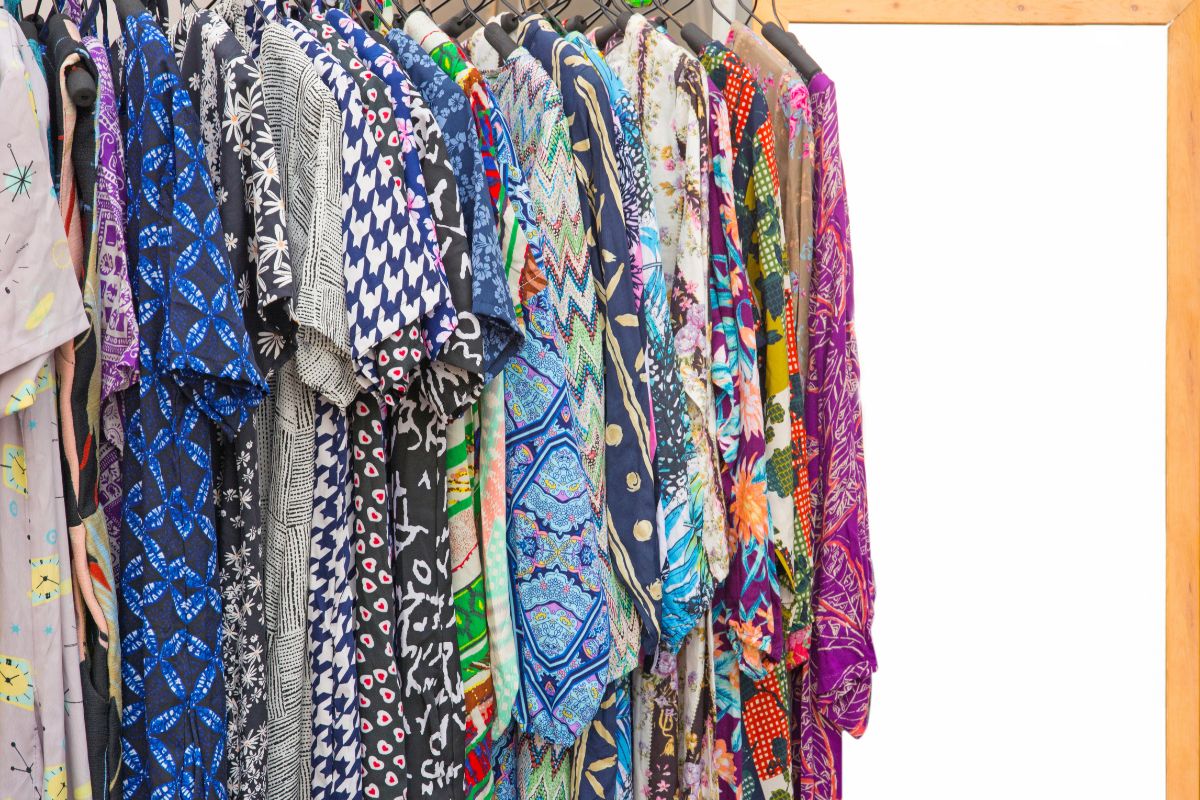
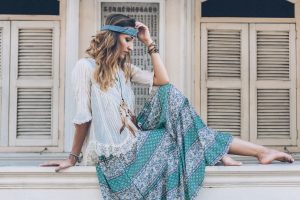
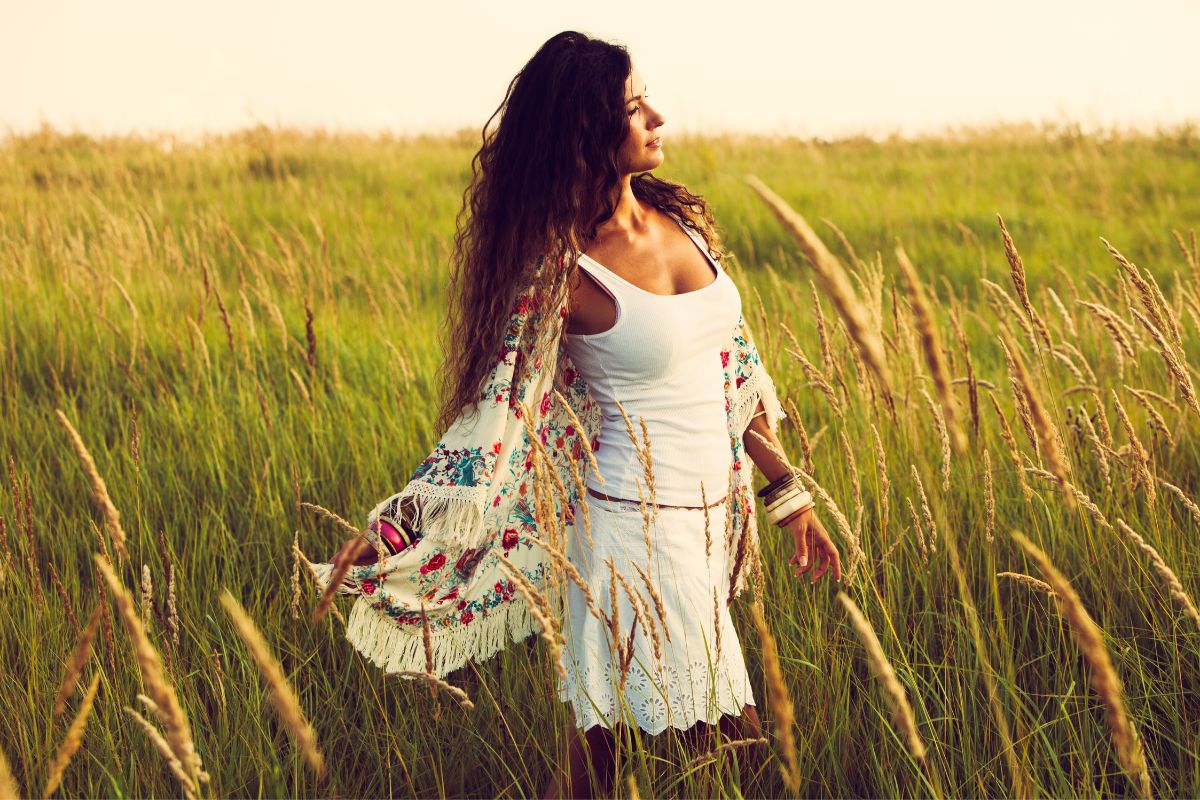
Free People is a popular fashion store that sells bohemian-inspired clothes. With an emphasis on helping people feel free and happy in the clothes they sell, the Free people brand defines itself by its key inspirations – femininity, spirit, courage, and individuality.
While Free People actually began back in the 1970s, it is now known for being sold in four wholesale showrooms in London, New York, Chicago, and Los Angeles.
It is also known for being sold in over 1,400 specialty stores such as Urban Outfitters, as well as its increasingly popular online stores.
However, is Free People ethical? The brand boasts about freedom and individuality with its boho-style clothing, but what does this brand do to support the Earth and communities across the planet?
Here is everything you need to know about whether Free People is ethical or not.
Let’s get into it.
If you consider yourself a free-spirited person, or someone who wants to find clothes that accurately represent your ethical mindset, you’ve probably come across Free People.
If you want to know how ethical Free People actually is, let’s break it down into categories that would define its ethics.
A huge part of ethics in the fashion world is the clothing brand’s environmental impact.
Unfortunately, Free People is not the most environmentally-friendly clothing brand. Its parent company, URBN, is slowly taking steps to lowering its carbon output.
This includes using energy efficient LED lights in stores, promoting reusable shopping bags, installing renewable energy, and improving fuel efficiency for transportation.
Free People use some recycled materials to make their clothing. However, while it is taking some steps towards reducing its impact on the environment, there is still a long way to go.
While there is no evidence that the brand uses greenhouse gasses in its supply chain, including carbon, there still lacks evidence that Free People is actively working against the use of hazardous chemicals in the production of their products.
The same is also true for wastewater and water usage, which are two massive reasons why fast fashion is so harmful to the environment.
Unfortunately, Free People is still a fast fashion brand that continues to prioritize the demand of trends by mass-producing products and selling them at an affordable price.
Trends come and go quickly, and Free People contributes to this by making cheaply-made, resource-intensive clothes.
When we look at the ethics of a clothing brand, we also have to look at the labor conditions of the workers. Ethics goes far beyond how sustainable a company is for the planet, you’ve also got to think about how they treat their employees.
Sadly, Free People isn’t transparent enough about its work conditions. None of the brand’s supply chain is certified by labor standards, which are essential for ensuring living wages, worker health and safety, and other rights.
The loophole that Free People uses is on its website, where the brand states that suppliers conduct business according to the law.
This law means that Free People and its suppliers are free from the use of child or slave labor, condone discrimination, and comply with wage, health, safety, and environmental laws.
However, there isn’t evidence to prove that the workers are paid a living wage, nor is there proof of the hours employees must work.
Free People also states that parts of the supply chain are independently audited, which is an independent examination of records.
However, it’s not clear which part of the supply chain is audited and how often, leading its customers with little information.
Free People also does not disclose information that protects workers and suppliers from the impacts of Covid-19, nor does it publish a list of information about gender equality, forced labor, and freedom of association.
As a result, the welfare of the workers cannot be truly guaranteed.
While you might not think that a clothing brand will have anything to do with animal welfare, think again. Fashion is one of the leading contributors to poaching, culling animals for their skin, fur, scales, and more.
Free People is becoming better with their animal welfare, but there’s still a long way to go. The brand went angora-free in 2016, meaning it no longer uses the long hair cultivated from angora rabbits to make soft wool.
However, Free People continues to use and sell other types of wool, leather, and exotic animal hair where the source is not specified.
Without traceable information about the source of its products, we simply cannot say that Free People is invested in animal welfare.
To put it simply, no – Free People is not an ethical clothing brand.
There are countless reasons why Free People isn’t ethical. It seems ironic, given the free-spirited image of the clothing that would otherwise suggest that the brand cares for the environment.
However, Free People is still a fast fashion brand, meaning that it prioritizes the speed of production over the quality of production.
While this means that customers can purchase these clothes quickly to stay on-trend, it also means that Free People work extra hard to make up for this demand.
The transportation alone is enough to harm the environment, let alone the excessive use of water for the cheap materials that make these clothes.
When we talk about ethics, you have to consider the work conditions of a brand. If there is no clear evidence of the work conditions of a clothing brand, such as Free People, then you might want to reconsider giving your money to them.
Your money won’t be supporting the workers, it will be adding to the increased demand of production.
Lastly, Free People continues to use animal products such as leather, wool, and animal hair, making it an unethical brand for animal welfare.
So, there you have it. Unfortunately, Free People’s boho and free-spirited image does not accurately reflect its ethics. While it’s not considered an ethical brand, there are lots of emerging ethical and sustainable clothing brands to buy from instead.
| Cookie | Duration | Description |
|---|---|---|
| cookielawinfo-checkbox-analytics | 11 months | This cookie is set by GDPR Cookie Consent plugin. The cookie is used to store the user consent for the cookies in the category "Analytics". |
| cookielawinfo-checkbox-functional | 11 months | The cookie is set by GDPR cookie consent to record the user consent for the cookies in the category "Functional". |
| cookielawinfo-checkbox-necessary | 11 months | This cookie is set by GDPR Cookie Consent plugin. The cookies is used to store the user consent for the cookies in the category "Necessary". |
| cookielawinfo-checkbox-others | 11 months | This cookie is set by GDPR Cookie Consent plugin. The cookie is used to store the user consent for the cookies in the category "Other. |
| cookielawinfo-checkbox-performance | 11 months | This cookie is set by GDPR Cookie Consent plugin. The cookie is used to store the user consent for the cookies in the category "Performance". |
| viewed_cookie_policy | 11 months | The cookie is set by the GDPR Cookie Consent plugin and is used to store whether or not user has consented to the use of cookies. It does not store any personal data. |