Insert HTML here

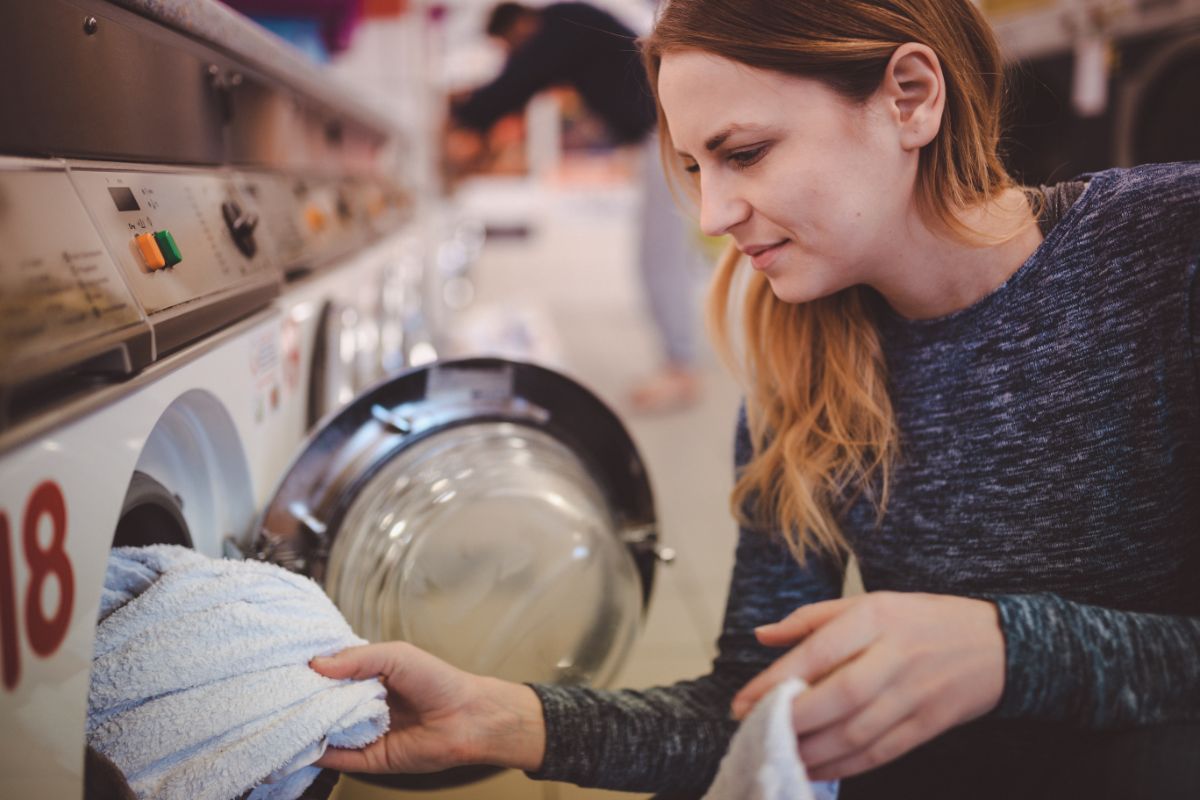
Washing clothes is an essential task that we all have to do, but have you ever found yourself without detergent?
Whether it’s because you ran out or because you’re looking for a more eco-friendly option, you may be wondering if you can wash clothes without detergent. While it may seem impossible to get your clothes clean without detergent, there are various alternatives that you can use.
In this article, we’ll explore some of the methods you can try to clean your clothes without detergent in an eco-friendly fashion. Let’s get started!
Yes, clothes can be washed without detergent. While detergent is the most commonly used cleaning agent for washing clothes, several alternatives can be used to clean clothes effectively.
These methods can effectively remove dirt and stains from your clothes without the use of harsh chemicals found in traditional detergents.
However, it’s important to note that the effectiveness of these alternatives may depend on the type of fabric and the severity of the stains. It’s always a good idea to spot test on a small area of the clothing first before washing the entire garment without detergent.
There are several alternatives to detergent that you can use to effectively clean your clothes. Here are some of the best and most eco-friendly options.
Soap nuts are a natural and eco-friendly alternative that comes from the Sapindus Mukorossi tree. They contain saponin, a natural cleaning agent that helps to break down dirt and grime on fabrics. Soap nuts are also gentle on fabrics and can be reused multiple times before needing to be replaced.
To use soap nuts as a laundry detergent alternative, simply place a few soap nuts in a muslin bag and toss it in the washing machine with your clothes.
The saponin in the soap nuts will be released in the wash water and will help to clean your clothes. You can reuse the soap nuts for several washes before they need to be replaced.
Soap nuts are hypoallergenic, making them a great option for those with sensitive skin. They’re also biodegradable, so they won’t harm the environment like traditional detergents can.
As well as that, soap nuts can be used to clean a variety of other household items, such as dishes, floors, and even pets.

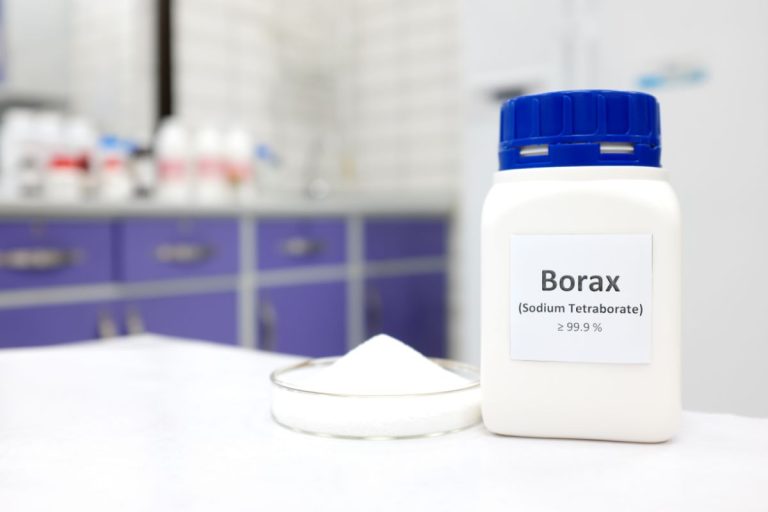
Borax, also known as sodium borate, is a naturally occurring mineral that can be used as a laundry detergent alternative. It’s a powerful cleaner that can help remove stains and brighten whites. Borax can also be used to boost the cleaning power of other laundry detergents.
To use borax as a laundry detergent alternative, add 1/2 cup of borax to the washing machine along with your clothes. Borax can help break down dirt and grime on fabrics, making it an effective option for removing tough stains. It’s also a great option for brightening whites and keeping clothes looking new.
Borax is also biodegradable, making it an eco-friendly alternative to traditional laundry detergents.
While borax is generally safe to use, it’s important to note that it can be toxic if ingested or inhaled in large amounts, so it’s important to keep borax out of reach of children and pets.
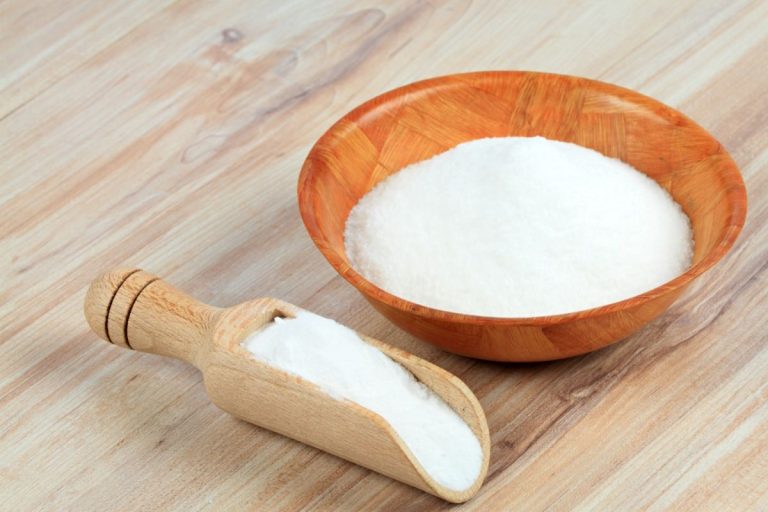
Washing soda, also known as sodium carbonate, is another naturally occurring mineral like borax that can be used as a laundry detergent alternative.
It’s a powerful cleaner that can help remove tough stains and grease from fabrics. Washing soda can also be used to soften hard water and boost the cleaning power of other laundry detergents.
To use washing soda as a laundry detergent alternative, add 1/2 cup of washing soda to the washing machine along with your clothes.
Washing soda can help break down dirt and grime on fabrics, making it an effective option for removing tough stains. It can also help soften hard water, which can improve the cleaning power of your laundry detergent.
While washing soda is generally safe to use, it can be irritating to the skin and eyes if it’s not handled properly.
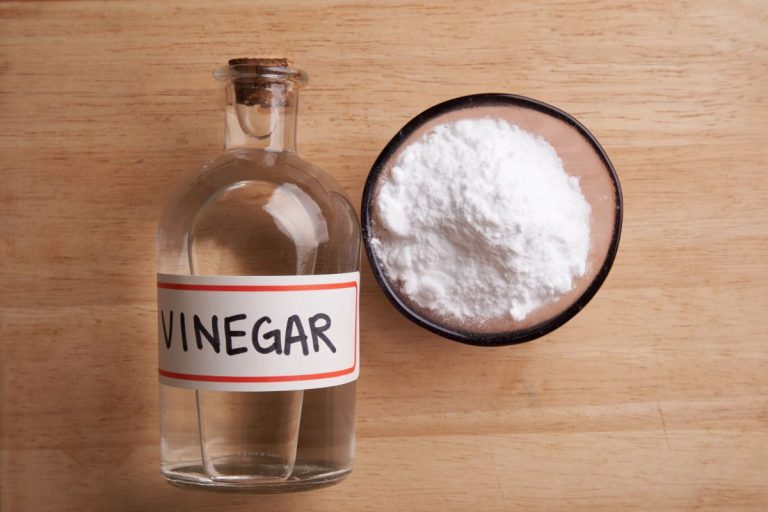
Vinegar is a versatile and eco-friendly alternative to traditional laundry detergents that can help remove odors and soften fabrics, making it a great option for those with sensitive skin. Vinegar can also help to brighten whites and remove soap residue from clothing.
To use vinegar as a laundry detergent alternative, add 1/2 cup of white vinegar to the rinse cycle of your washing machine.
Vinegar can help to remove odors from clothing and soften fabrics without leaving any residue behind. It can also help to brighten whites and prevent colors from fading.
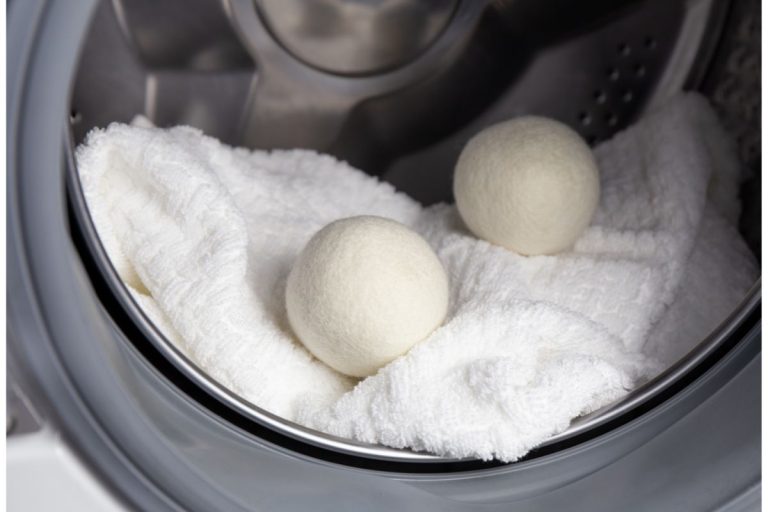
Wool dryer balls are another eco-friendly and cost-effective alternative to dryer sheets and fabric softeners.
They are made of natural wool fibers that help to soften fabrics, reduce static cling, and shorten drying time. Wool dryer balls can also help to reduce wrinkles and eliminate the need for ironing.
To use wool dryer balls, simply toss them into the dryer along with your clothes. For best results, use at least three dryer balls per load. The wool fibers will help to lift and separate the clothes, allowing air to circulate more effectively and reducing drying time.
Wool dryer balls are a great option for those with sensitive skin or allergies, as they don’t contain any harsh chemicals or fragrances. They are also a sustainable option, as they can be reused for up to 1,000 loads of laundry.
To keep your wool dryer balls in good condition, it’s important to store them in a dry place when not in use. You can also refresh them by placing them in the dryer on low heat with a few drops of essential oil.
There are several eco-friendly and cost-effective alternatives to traditional laundry detergents.
By using the alternatives that we have talked about here, we can not only save money but also contribute to a healthier and more sustainable planet.
It may take some trial and error to find the best alternative for your specific needs, but the benefits of these natural alternatives make it well worth the effort.
| Cookie | Duration | Description |
|---|---|---|
| cookielawinfo-checkbox-analytics | 11 months | This cookie is set by GDPR Cookie Consent plugin. The cookie is used to store the user consent for the cookies in the category "Analytics". |
| cookielawinfo-checkbox-functional | 11 months | The cookie is set by GDPR cookie consent to record the user consent for the cookies in the category "Functional". |
| cookielawinfo-checkbox-necessary | 11 months | This cookie is set by GDPR Cookie Consent plugin. The cookies is used to store the user consent for the cookies in the category "Necessary". |
| cookielawinfo-checkbox-others | 11 months | This cookie is set by GDPR Cookie Consent plugin. The cookie is used to store the user consent for the cookies in the category "Other. |
| cookielawinfo-checkbox-performance | 11 months | This cookie is set by GDPR Cookie Consent plugin. The cookie is used to store the user consent for the cookies in the category "Performance". |
| viewed_cookie_policy | 11 months | The cookie is set by the GDPR Cookie Consent plugin and is used to store whether or not user has consented to the use of cookies. It does not store any personal data. |